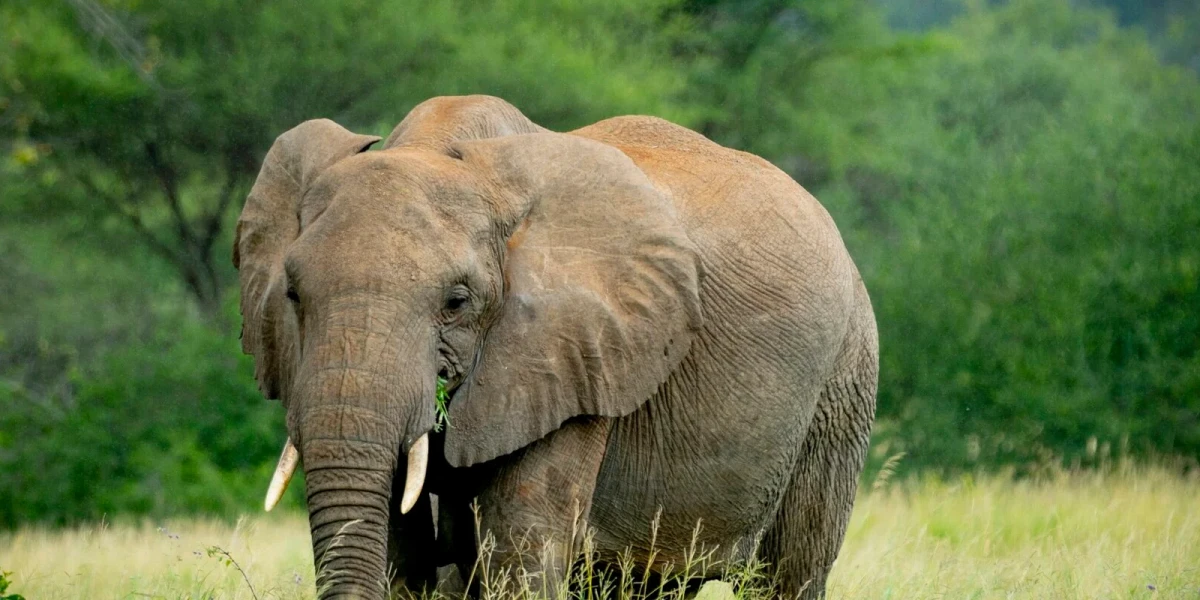
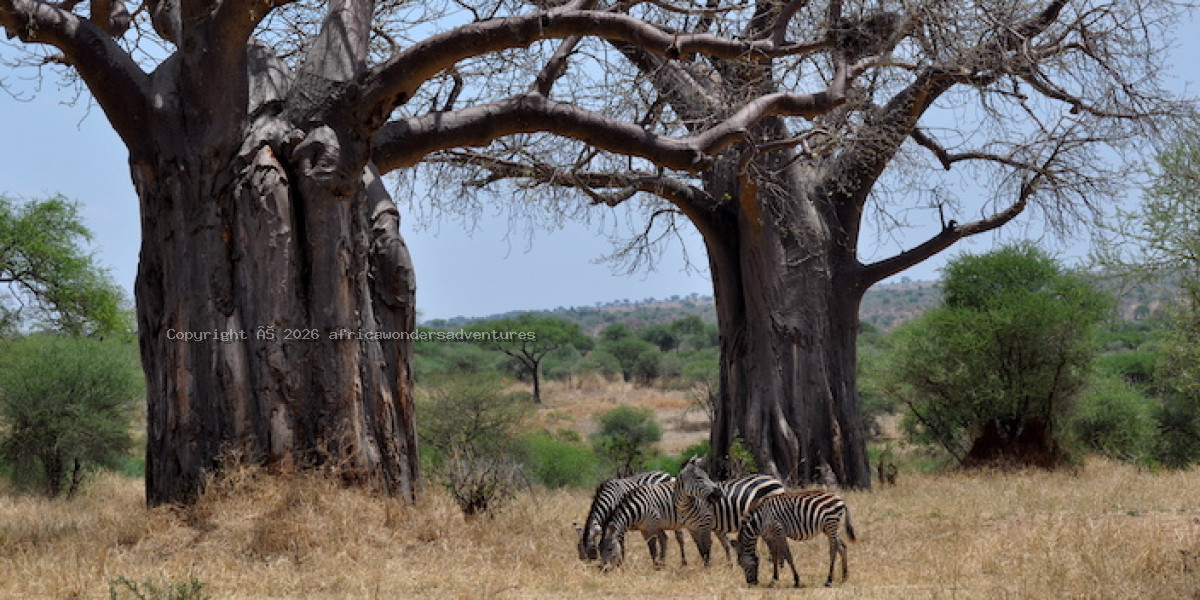
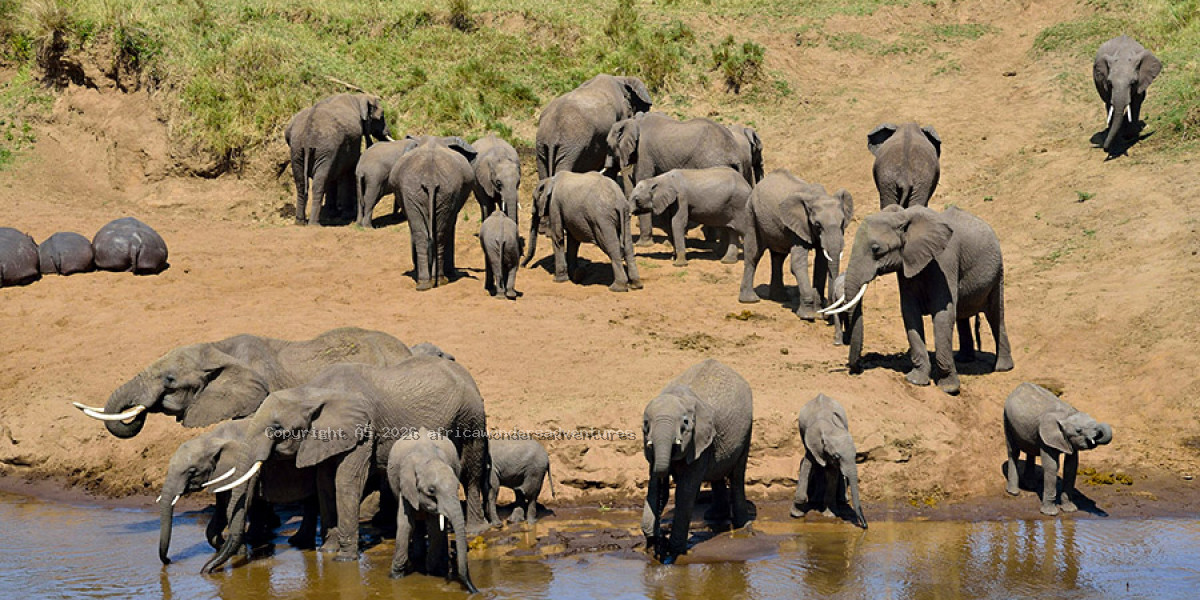
Tarangire National Park is a protected area in northern Tanzania known for its immense elephant herds, ancient baobab trees, and unspoiled savanna landscapes. Covering 2,850 km², it forms part of the country’s northern safari circuit and offers one of East Africa’s richest wildlife spectacles centered on the life-giving Tarangire River.
Key facts
Location: Northern Tanzania, 118 km southwest of Arusha
Established: 1970
Area: 2,850 km² (1,100 sq mi)
Managing authority: Tanzania National Parks (TANAPA)
Best visiting months: June – October (dry season)【turn0search1】【turn0search3】【turn0search6】
Landscape and ecology
Tarangire’s terrain blends acacia woodland, open grasslands, rocky hills, and seasonal wetlands. The perennial Tarangire River sustains the park through the long dry season, drawing thousands of animals when surrounding areas desiccate. In the south, the Silale Swamp remains green year-round, functioning as a vital refuge for buffalo, elephants, and myriad waterbirds. Towering baobabs—some more than a millennium old—define its skyline and ecology.
Wildlife and birdlife
The park shelters one of East Africa’s largest elephant populations, with herds exceeding 300 individuals. Lions, leopards, cheetahs, spotted hyenas, and occasional African wild dogs patrol plains rich with zebra, wildebeest, buffalo, giraffe, and antelope such as the fringe-eared oryx and lesser kudu. More than 500 bird species make Tarangire a premier ornithological site; highlights include the yellow-collared lovebird (a Tanzanian endemic), kori bustard, martial eagle, and flocks of pelicans and storks around Silale Swamp.
The Tarangire migration
Each dry season (June–October), thousands of grazers migrate from the Maasai Steppe and Simanjiro Plains into the park to access the Tarangire River. When rains return, herds disperse to calving grounds outside the park. This smaller, localized migration underpins Tarangire’s predator-prey balance and its ecological importance within the greater Tarangire–Manyara ecosystem.
Visitor experience
Safari activities include guided game drives, walking safaris in concession areas, birdwatching tours, and limited night drives. Hot-air-balloon flights offer sweeping views of elephant herds amid baobab forests. Lodging ranges from luxury tented camps like Swala and Oliver’s Camp to eco-lodges near Sangaiwe Gate and Lake Burunge. Access is via paved road (2–2½ hours from Arusha) or charter flight to Kuro Airstrip.